Oversize RV Transport: What Dealers Can Learn From Heavy Equipment Hauling
Borrowing proven heavy-equipment strategies helps RV dealers cut delays, control costs and improve overall transport efficiency.

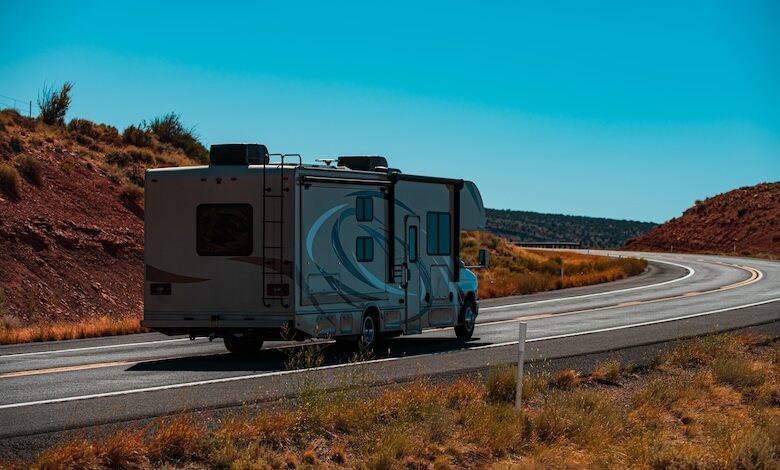
RV wholesale shipments are expected to rise through next year according to the RV Industry Association. This increase is great news for RV dealers, but it comes with the challenges of hauling these oversize vehicles to their destinations.
RVs, like tractor trailers and construction machinery, present unique difficulties when it comes to route planning and equipment selection. They also need to meet strict regulations and standards for compliance. These challenges can affect delivery schedules for RV dealers and transporters, while driving up costs and raising safety concerns.
Lessons from heavy equipment hauling offer a valuable roadmap to follow. This industry has dealt with large, irregularly shaped loads for decades, and many of its strategies can be adapted to RV transport. These insights can help streamline operations while also ensuring that each vehicle arrives safely.
Prioritize Route Planning as Heavy Haulers Do
Account for Road Restrictions & RV Size: Hauling RVs involves navigating height, weight and width limitations, much like hauling large industrial vehicles or equipment. Potential roadway obstacles, such as overpasses, bridges, tight turns and tunnels, require careful consideration to ensure RVs can safely pass over or through these areas.
Using advanced GPS and mapping software helps plan routes that avoid these challenges without adding significant time to transport schedules.
Build in Extra Time To Accommodate Delays: Even with careful route planning, delays can happen. Road construction, inclement weather, traffic jams — any of these can add hours to delivery schedules. Planning alternate routes and including buffer time prevents last-minute rerouting while also reducing stress on drivers.
Heavy haulers include these contingencies to ensure safety and efficiency on the road. RV transports can benefit from this same level of foresight and planning.
Additional route planning tips:
- Check for seasonal road closures, especially in mountainous areas or northern regions.
- Consider weight restrictions on residential streets or secondary roads.
- Verify low-clearance overpasses and bridges along alternate routes.
- Plan for service and fuel stops suitable for oversize vehicles.
- Confirm availability of safe pull-off points for inspections and breaks as needed.
Invest in Specialized Equipment for RV Transport
Rigs & Trailers Built for Oversize Loads: Standard trailers may not be adequate for transporting large RVs. Flatbed, extendable or lowboy trailers have more suitable designs for carrying oversize loads safely. Wheel chocks and proper tie-downs help ensure RVs stay in place to lower the risk of tipping or moving and sustaining damage.
Equipment Maintenance & Inspection: Inspecting tie-down gear, hitches, trailers and other equipment regularly is a must. Mechanical failures mid-route can end up being dangerous and costly, putting personnel and vehicles at risk.
Heavy haulers make pretrip inspections a routine, standard practice to guarantee safe transport. RV companies can get similar safety outcomes with the same approach.
Navigate Regulations & Permits Early
Permit Requirements for Oversize Loads: Local and state regulations vary, but RVs that exceed standard dimensions often need oversize permits. Trucks that transport RVs must follow the Federal Motor Carrier Safety Administration (FMCSA) and Department of Transportation (DOT) regulations.
Note that there are RV-specific exemptions, such as the FMCSA’s rule that allows drivers to operate without a CDL if they meet certain conditions. Checking on these regulations and rules and securing all necessary permits in advance helps you avoid last-minute interruptions and ensures compliance.
Compliance With Weight & Safety Standards: Oversize RV transport vehicles must stay within legal weight limits and should have proper axle distribution for stability to lower the risk of damage to roadways and tires. Using weigh stations or scales pretrip as heavy haulers do helps verify this balance.
Some routes might also require escort vehicles or special signage or flags to alert other drivers, depending on a vehicle’s height or width.
Staying compliant while transporting RVs helps avoid penalties, such as fines or costly liability should an accident occur. It also helps lower the risk of forced reroutes that delay deliveries.
Apply Heavy Hauler Safety Practices & Protocols
Safe Loading & Unloading: Loading RVs onto trailers involves precise coordination, requiring drivers and loaders to communicate clearly and use spotters to guide movements and avoid collisions with obstacles or other vehicles. Using safety lessons from heavy equipment transport, such as slow, controlled movements, reduces the risk of accidents.

Training Drivers on Oversize Load Dynamics: Oversize vehicles handle differently than standard vehicles, with longer braking distances and turning challenges. Factors like heavy winds can also affect stability. Training drivers to anticipate these dynamics helps improve safety while also minimizing the chance of incidents during transport.
Optimize Delivery Logistics
Plan Arrival & Unloading: The challenges that come with transporting RVs don’t end on the road. These oversize vehicles may arrive at sites that have uneven terrain or tight access, limiting maneuverability space. Evaluating delivery locations ahead of time and coordinating with dealers on-site ensures that drivers can unload safely.
Provide Extra Safety Measures During Final Placement: Portable ramps or spotters come in handy when backing RVs into storage lots or other areas. Minor mishaps at this stage can turn out to be costly, even if transport on the road went smoothly. Following best practices from heavy haulers — two-way guidance and carefully controlled movements — helps minimize risks.
A few other tips for safe RV transport include:
- Keep spare leveling aids, tie-downs and wheel chocks handy.
- Check for low-hanging branches, power lines or similar obstacles along the route and at the destination.
- Schedule RV delivery during the daytime for better visibility and safety.
Streamlining Oversize RV Transport for Safety & Efficiency
Moving oversize RVs is complex, but turning to heavy equipment transport for practical guidance helps make this process go more smoothly. Adopting these strategies means that RV transporters and dealers can minimize risks and avoid delays, while delivering vehicles in good condition.