An Often-Overlooked RV Storage Step To Protect Your Customers
In addition to a winterization checklist, proper rodent prevention can keep your clients from experiencing major stress and costly repairs.

Days after pulling the trigger to buy a new four-season, 4×4 Sprinter conversion van, my wife and I took delivery of our new rig after participating in the dealer-led vehicle inspection and orientation.
As “newbies,” we were a bit overwhelmed with the steep learning curve as we set off with our dogs for our “shakedown” trip to identify any outstanding issues needing further education or attention.
On one of our early trips, we traveled to our rustic family cottage in the Eastern Townships of Quebec, Canada, where we encountered an unexpected issue. One we hadn’t been cautioned about, nor were we prepared for.
I was awakened by a noise in the middle of the night to find a very bold mouse poking his head out from a pouch in my backpack hanging on the wall. The mouse had climbed up and chewed through both the zipper and the fabric to access an energy bar I had stored there, and it was happily enjoying a free meal.
During my time consulting for a pest-repellent manufacturing company years earlier, I remembered some enlightening research. I uncovered statistics from the Centers for Disease Control and Prevention* that mice can enter through a hole the size of a dime, and some rodents can spread over 35 known diseases (including hantavirus.)
Knowing that, I felt lucky to discover our little uninvited “guest” before it had time to do any more serious damage, other than having to replace my backpack. Customers will appreciate being informed on how to protect their RV from possible rodent damage because the expense of repairs can be significant.
Mice will chew through hard surfaces that can include an RV’s wiring harness, fuel lines, engine components, upholstery, insulation and bedding. In addition to accessing food or building their nests, mice do this because their teeth grow like our fingernails, and if they don’t continually file them down, they could starve.
More recently, I discovered just how expensive this could be to RVs. While visiting a popular aftermarket van retrofit company for some upgrades to my rig, I learned of a story about a customer whose $250,000-plus conversion van had to be totaled. Not because of an accident, but due to mice chewing through the complicated and inaccessible wiring harness throughout their vehicle.
The fall season makes an RV even more attractive and vulnerable. As temperatures drop, rodents search for warmer, safe spaces to hide and nest undetected during the winter months. Along with sheds, garages, barns or your home, an RV can make for the ideal rodent resort when not in use.
You become a credible and trusted resource if you can share the precautionary steps your customers should take before storing their vehicle when not in use. It is a gamble to store a rig unprotected, and the odds are not in their favor.
In addition to your traditional dealer winterization protocol, if your clients plan to park their RV during the off season, you should encourage them to follow these preventive measures against rodents and other pests:
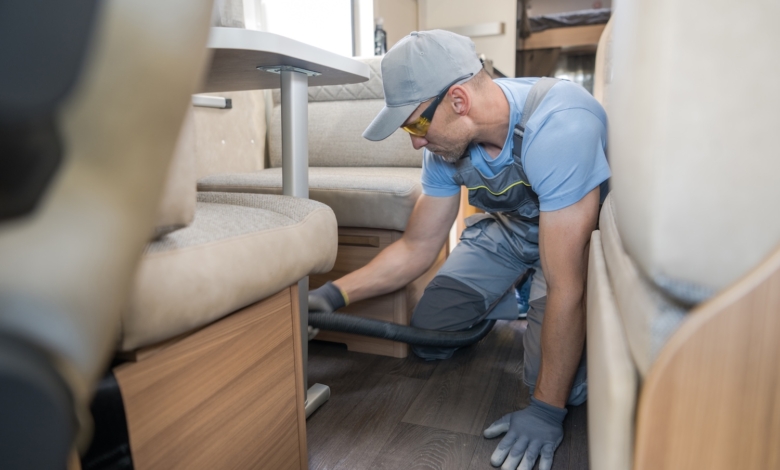
- Clean thoroughly — vacuum up crumbs and wipe down surfaces
- Remove or securely store all food, including pet food
- Eliminate clutter and potential nesting materials
- Inspect and seal potential rodent entry points
Important Advice: Have your customers closely review the language in their insurance policy regarding rodent damage to be sure they are covered. Some policies may limit coverage on vehicles parked for 30 days, and others may require that you take “preventative” measures to reduce possible rodent damage during storage periods.
Coverage for rodent damage can vary. Some may offer specific riders or amendments for pest-damage or coverage during storage. These may be “optional” from some companies — you must ensure you are eligible and pay a deductible. If preventive steps aren’t taken in advance to protect their rig and damage occurs, the last thing you want is for your client to be on the hook for the entire cost of the repair.
Even if their insurance policy covers the repair bill, your customer must still come up with the deductible, navigate time spent dealing with the service center repairs, and endure the delays and inconvenience of being without their RV while in the shop.
Most RV owners bought their rig for the freedom and flexibility of the open road, not to be stressed or stranded with breakdowns, trip interruptions or costly repairs. The last thing you want is their frustration to be associated to your team or your business.
If people believe that a couple of mice are no big deal, you may need to educate them of the potential dangers. When mice have access to food, shelter and water, they can multiply quickly … they are even more prolific than rabbits! According to the National Park Service rodent-control guide, a single pair of house mice and their offspring can multiply into the thousands in a year.
It’s bad enough if someone opens their RV to experience the stench from a family of mice that have made their rig a winter nesting spot and outhouse. If you add the cost of the potential damage rodents can do, you now realize why rodent prevention is an important conversation to have.
Sometimes a chewed wire harness or engine damage may go undetected right away because it can occur in hidden places. It may happen in the engine bay, the insulation, fuel lines or behind cabinets and walls. The owner may only discover this when they are well into their trip, in a remote location or in another city, where they must then interrupt their trip to find a service center to get their vehicle repaired elsewhere.
Setting out baited traps in an RV can actually work against you. The bait tends to attract rodents, and even if you catch one, someone must be there to quickly dispose of the body and reset the trap, which likely won’t happen, especially if in storage.
It becomes difficult to kill your way out of an infestation, which is why prevention is so much more important. The good news is that there are effective no-kill options that don’t require someone to bait and clean traps or locate and remove a poisoned mouse.
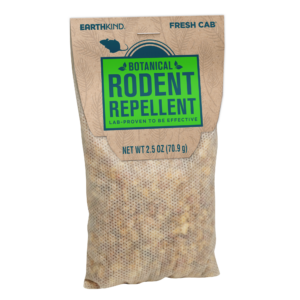
To protect your customers’ home, pets, family and RV, you may consider a botanical rodent repellent that keeps mice out of treated spaces so you can proactively prevent damage with no mess and less stress.
Consider these factors to identify an effective and trusted rodent repellent:
- Is the product EPA-registered? This requires third-party efficacy testing.
- Do they have long-term verified reviews on Amazon, not just website claims?
- Do they offer evidence of their marketing claims, or are they too good to be true?
- Is the product available at trusted U.S. retailers or only online?
There are many options, so use these points to help your customers navigate the noise in the market and make the best decision for protecting their property and family. Encourage them to do some online research to reveal the trusted answers needed to avoid a negative product experience.
Remember, an RV is most vulnerable in the fall months when rodents begin searching for places to nest. Having plenty of coverage early in the season will have the rodents retreat to nest and set up home elsewhere for the winter.
*Research shared by Pimentel estimates that invasive rodents cause approximately $20 billion in damage annually in the United States.