How RV Dealers Can Explain Solar System Maintenance
A practical checklist dealers can use to help RV owners keep their solar systems running at peak performance.

Sunshine can feel magical when it powers an RV’s adventures. But even solar-powered magic still needs a helping hand to keep running smoothly. When RV dealerships make solar maintenance part of their pitch or advice, they help customers not only avoid trouble but also get the most watt-hours out of every trip.
Why Solar System Maintenance Matters
Solar panels work best when things are clean, clear and connected. Dust, bird droppings and tree debris can affect energy production, leaving batteries less efficient and appliances underpowered. Regular maintenance means maximum efficiency and prevents power surprises on the road — plus dealers who discuss this with customers can earn a reputation for keeping RVs reliable and on the road.
Simple Ways Dealers Can Educate RVers
Dealers don’t need a Ph.D. in photovoltaics to teach solar basics, but sharing these practical tips can make you a go-to resource for your customers with solar on their RV:
-

Image credit: photoschmidt – stock.adobe.com Cleaning solar panels: Recommend a gentle touch. RVers should use a soft cloth or wet sponge in the early morning or at dusk (to avoid hot glass, which can crack). Explain to your customers that abrasive cleaners shouldn’t be used, as acid or alkali damage isn’t typically covered by warranties.
- Checking connections: Wires and connectors need a periodic inspection; loose or corroded contacts can interrupt charging. A dealer’s tip: take a multimeter and show customers how to check battery voltage every month.
- Monitoring shade and debris: Shading by tall trees, parked RVs or even piles of leaves on top of the solar panels can create hot spots and lower output. Explain the importance of keeping panels totally unobstructed on sunny days.
- Battery health: Lithium batteries are robust but should still be checked for swelling, leaks and capacity. Remind customers to look for firmware updates from their product’s manufacturer and run capacity tests annually.
- Mounting and vibration: Road bumps can loosen mounts, screws and seals, so a yearly hardware inspection is a must.
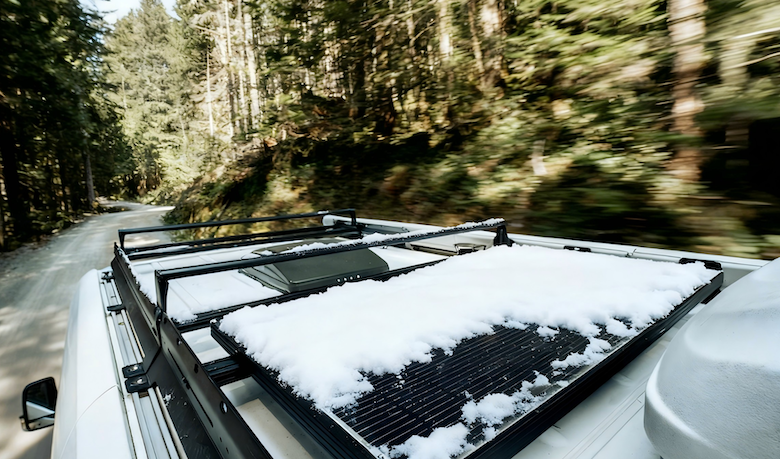
- Seasonal changes: After snowstorms, gently brush off panels with lukewarm water to avoid frost and cracks. Tell customers this isn’t just about winter — dust storms out West or pollen in spring can also hinder performance.
How Dealers Can Be Trusted Advisers
Customers appreciate practical advice over technical jargon. Show them how preventative care means fewer emergencies, less downtime and one less thing to worry about on their next trip. Offering a solar maintenance guide or service package can give dealerships added value and make follow-ups easier.
Don’t forget to mention warranties and support programs; knowing there’s help if something goes wrong can make customers feel more confident in choosing solar.
Final Thoughts
For RV dealerships, talking about solar maintenance isn’t just good customer service. It’s a way to connect adventures and energy, make every trip more reliable and share a slice of modern innovation.
Fun Facts To Win Over RV Enthusiasts
- Modern lithium batteries can deliver thousands of cycles, lasting up to 10 years or more when properly cared for.
- Regular solar panel cleaning can boost energy production by up to 20%.
- RVs on solar systems avoid the noise and fumes of generators, making them campground favorites and quieter neighbors.
RV Dealer’s Maintenance Checklist
Here’s a quick dealer-made checklist to share with customers or use during service appointments:
- Inspect panels for physical damage and debris, such as leaves or bird droppings, quarterly
- Clean panels with a soft cloth and water (early or late hours preferred)
- Check battery charge levels and look for physical abnormalities monthly
- Inspect terminal connections, tighten if needed and clean corrosion
- Monitor cables for insulation damage or rodent activity
- Verify mounting hardware is secure, especially after long trips
- Encourage annual system capacity checks and inspections by professionals