Reducing Damage & Loss During RV Transport With Real-Time Fleet Monitoring
How telematics technology helps RV transport operators prevent damage, resolve disputes and deliver units on time.
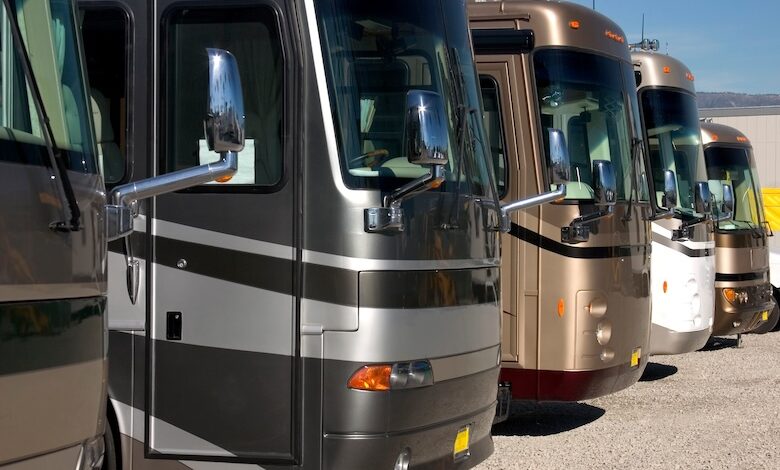
Recreational vehicles (RVs) are among the highest-value units a dealer sells; getting them from manufacturer to the lot in one piece is a business-critical operation. A single damaged unit on arrival can mean a delayed sale, an unexpected repair bill and a frustrated buyer.
Without real-time oversight, damage and loss can create problems that compound quickly.
Telematics, systems that transmit live vehicle location, driver behavior and vehicle health data wirelessly to fleet managers, can give RV transport operators the tools to prevent these outcomes before they happen. This article covers visibility, proactive maintenance, route planning, driver accountability and customer satisfaction.
The High Stakes of RV Transport
RVs present transport challenges that standard vehicles do not. Size and height alone create exposure that most other types of cargo seldom face:
- Road hazard damage and low-clearance incidents
- Rollover risk on curves and high-wind corridors
- Costly specialty components, such as slideouts, awnings and roof-mounted air conditioning (AC) units
A single damage claim can erase margins on multiple deliveries.
The stakes extend beyond any one unit. Commercial fleets experience an annual accident rate of 20%, significantly higher than noncommercial vehicles. In fact, U.S. employers collectively incur more than $60 billion annually from vehicle accidents, including repairs, liability claims, legal fees and lost productivity.
Without real-time monitoring, operators can only respond to damage after the fact. However, telematics helps to shift that model from reactive to proactive.
How Real-Time Visibility Can Help Reduce Damage & Loss
Without live location data, managers have no way to identify developing situations until a driver calls in. Real-time global positioning system (GPS) tracking can change that. A single dashboard gives managers a live view of every unit in transit:
- Current locations, route progress and stops
- Unexpected deviations that trigger automated alerts
- Verified timestamps logging pickups and deliveries at every stage

That data trail creates a clear chain-of-custody record for every unit.
Timestamped GPS data and dashcam footage also carry significant documentation value. When a damage dispute arises, there is an objective record of when and where an incident occurred. This can help reduce fraudulent claims by providing independently verifiable evidence.
Visibility can also improve coordination with receiving dealerships. Accurate estimated time of arrival (ETA) data allows prep teams to stage receiving areas, inspect bays and schedule staff in advance, which can reduce the rushed handoffs where damage is most likely to go unnoticed.
Real-time tracking can also help strengthen accountability across the entire delivery chain. When operators and dealerships share access to the same live data, communication gaps narrow and both parties can work from the same set of facts.
Keeping Transport Vehicles Road-Ready
A breakdown on a highway shoulder can expose a high-value RV to weather, theft and secondary collision. Telematics systems can help prevent that scenario by monitoring vehicle health before a problem develops.
- Telematics tracks engine diagnostics, tire conditions and brake wear continuously
- Automated alerts fire when readings fall outside normal ranges
- Managers can schedule service before a warning becomes a breakdown
Predictive maintenance can help reduce the unexpected failures that sideline transport vehicles for days. Well-maintained vehicles can also handle RV cargo more reliably over long hauls, reducing the wear-related stress that accumulates across hundreds of miles.
Keeping all of that organized is easier with the right tools. Operators can use fleet management software solutions to consolidate maintenance schedules, GPS alerts and vehicle diagnostics into a single platform.
Route Optimization & Driver Accountability
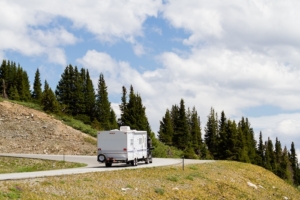
Route selection directly affects damage risk for oversized RV transport. Low bridges, sharp curves, unpaved roads and high-wind corridors all present hazards specific to taller, wider loads. Moreover, poorly planned routes can extend time on the road, which leads to greater wear and tear (and more risk exposure).
GPS-based route optimization helps identify safer, more efficient paths before a driver departs. Systems analyze traffic patterns, weather conditions and historical incident data to recommend appropriate routes. Real-time adjustments allow dispatchers to reroute drivers around accidents and construction zones as conditions change.
Driver behavior monitoring adds a second layer of protection. Telematics can flag the behaviors most likely to stress RV cargo:
- Speeding and sharp cornering
- Harsh braking and rapid acceleration
- Distracted driving – a factor in 23% of commercial vehicle crashes
In-cab alerts notify drivers of unsafe behaviors in the moment. In addition, managers are able to review driver scorecards over time to identify patterns and prioritize coaching, addressing risk before it results in an incident.
Improving Customer Satisfaction Through Reliable Delivery
Damage-free delivery is the baseline expectation. What builds long-term dealer relationships is reliability: consistent, predictable arrivals that allow dealerships to plan around confirmed windows.
Real-time tracking gives transport operators accurate ETAs to share with receiving dealerships. That visibility allows dealers to prepare recon teams, schedule inspections and organize lot flow in advance.
The result is faster retail readiness. Units move from transport to sales floor without unnecessary lag.
Transparent documentation helps build trust on the back end. Digital condition reports with timestamps and photos give both parties a shared record to reference. Disputes resolve faster when the evidence is objective and accessible.
The cumulative effect is significant. Telematics programs may reduce accident frequency by up to 20%. Fewer incidents, faster deliveries and cleaner documentation all contribute to a stronger reputation in the RV transport market.
From Risk to Reliability: How Telematics Is Changing RV Transport
RV transport carries real financial risk that shows up as high unit values, fragile specialty components and long hauls that multiply exposure at every mile.
Real-time fleet monitoring helps address that risk at every stage. Visibility, proactive maintenance, smarter routing, driver accountability and reliable delivery all work together to reduce the conditions that lead to damage and loss.
Operators who adopt telematics may find themselves spending less time managing damage claims and more time building the dealer relationships that help drive repeat business.