Is It Safe To Run Your RV Furnace All Night Off-Grid? Battery, Propane & CO Safety Explained
RV furnace safety is less about CO risk and more about battery capacity, airflow, and how the system is actually used overnight.

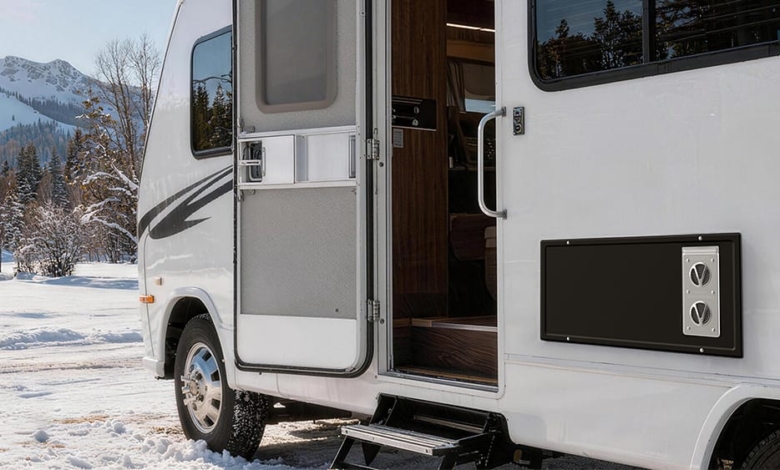
Yes, an RV propane furnace can generally run overnight while parked off-grid, as long as it is properly installed, maintained, vented, and supported by working carbon monoxide, LP/propane, and smoke detectors. But “safe” does not mean “ignore the basics.” Overnight furnace use depends on safe combustion, enough 12V battery power, enough propane, and clear airflow.
An RV Furnace Is Not the Same as an Open-Flame Heater
A built-in RV propane furnace is a sealed-combustion, forced-air heating system. Propane burns inside a separate combustion chamber, exhaust is vented outside, and a blower moves warm air through the RV’s ducts.
That is different from using a stove, oven, or unvented portable propane heater for indoor heat. Those appliances can use interior air for combustion and may require active ventilation because of carbon monoxide, oxygen depletion, and moisture risks.
A properly installed and maintained RV furnace is designed to keep combustion air and indoor living air separate. For cold-weather camping, a correctly matched RV furnace gives you ducted heat without relying on an open flame inside the living space.
The Safety Checklist Before Sleeping
Before running the furnace overnight, check the basics:
- Your CO detector works and is not expired.
- Your propane/LP detector works and is not disabled.
- Your smoke alarm works.
- The outside furnace intake and exhaust are clear of snow, mud, leaves, nests, or debris.
- There is no soot, scorching, or unusual discoloration around the exterior furnace vent.
- You do not smell propane.
- The furnace starts normally and produces steady heat.
- The battery is charged enough to power the blower through the night.
If a CO or propane alarm sounds, treat it seriously. Do not assume it is a false alarm. Turn off propane if safe to do so, ventilate, leave the RV, and investigate before using the furnace again.
Also avoid running an RV furnace inside an enclosed garage or tightly enclosed structure. Even though the furnace vents outside the RV, exhaust still needs a safe place to disperse.
Why a Propane Furnace Still Needs Battery Power
Propane creates the heat, but the furnace still needs 12V DC power.
The battery powers the blower fan, ignition sequence, control board, thermostat circuit, and safety switches. If the battery gets too low, the furnace may stop heating even when there is propane left in the tank.
A common real-world problem is “fan runs but no heat.” Sometimes the issue is propane or ignition, but low voltage can also keep the blower from moving enough air to complete the furnace’s safety sequence. Many RV furnaces rely on airflow-proving devices such as a sail switch before opening the gas valve.
In simple terms: no healthy 12V power, no reliable overnight furnace.
Will the Battery Last All Night?
It depends on battery capacity, outside temperature, insulation, thermostat setting, and how often the furnace cycles.
A furnace does not usually run nonstop. It turns on, heats the RV, shuts off, then cycles again when the temperature drops. On a mild night, that may be manageable. On a windy freezing night, the blower may run much more often.
As a rough example, if a furnace blower draws around 7 amps and runs for half of an 8-hour night, the blower alone can use about 28 amp-hours. Add a refrigerator control board, lights, water pump use, phone charging, tank heaters, or a CPAP, and the battery load grows quickly.
A single lead-acid battery may not provide as much usable power as expected. Lithium batteries usually offer more usable capacity, but even lithium setups need a recharge plan if the furnace runs heavily.
Propane Use Also Changes Overnight
Battery power is only half of the story. The furnace also burns propane every time it fires.
A larger RV, poor insulation, slideouts, air leaks, colder outdoor temperatures, and a high thermostat setting all increase propane use. A furnace that cycles lightly may sip fuel. A furnace fighting freezing wind all night can use much more.
That is why many campers set the thermostat lower while sleeping, use warm bedding, and let the furnace maintain a safe baseline temperature rather than trying to keep the RV as warm as a house.
Choosing the Right Furnace for Overnight RV Heat
For off-grid overnight heating, furnace size should match the RV’s interior space, duct layout, insulation, and expected camping temperatures. Fogatti designs RV comfort systems for real travel conditions, and the InstaHeat lineup gives campers ducted propane heat options for colder nights. For larger rigs, longer cold-weather stays, or nights when faster warm-up matters, the 35K RV Furnace offers stronger heating output for more demanding RV comfort needs.
A Practical Off-Grid Overnight Routine
A realistic off-grid routine looks like this:
- Warm the RV before bed.
- Set the thermostat to a lower overnight temperature.
- Use warm bedding or sleeping bags.
- Keep vents and return airflow unblocked.
- Start with a fully charged battery.
- Check propane before the night gets cold.
- Recharge in the morning with solar, generator, shore power, or vehicle charging if needed.
Testing the setup before a remote trip is useful. Running the furnace overnight in similar temperatures and checking morning battery level gives a more accurate picture than estimating from battery size alone.
When Not To Run It Overnight
Do not run the furnace overnight if the CO detector, propane detector, or smoke alarm is missing, expired, disabled, or alarming. Do not run it if the exhaust is blocked, if the furnace smells unusual, if propane odor is present, or if the furnace repeatedly fails to ignite.
If the unit is old, poorly maintained, or behaving unpredictably, have it inspected before relying on it while sleeping. A properly functioning furnace is designed for overnight use, but a neglected furnace should not be treated as automatically safe.
Final Takeaway
Running an RV furnace all night off-grid can be safe and practical when the complete system is ready. The furnace must vent correctly, detectors must work, the battery must support the blower, and propane supply must be sufficient.
The key question is not simply whether the furnace can run overnight, but whether the entire RV system is ready for the specific conditions of that night, including temperature, insulation, and energy demand.