Towing It Right: How To Approach Hitches, Setup & Customer Education
Helping customers understand that there is no one-size-fits-all solution.

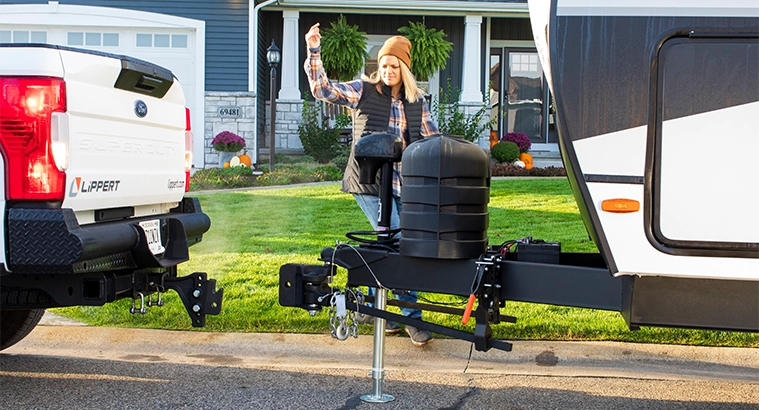
Walk into any RV dealership and you will hear the same towing questions day after day. Customers arrive excited about their next adventure, but often unsure about what it really takes to tow safely and confidently. From our side of the counter, hitching is not just about hardware. It is about matching the right equipment to the right vehicle, trailer and lifestyle.
Here is what RV dealers see, hear and explain every day.
The Questions Customers Ask Most
Most conversations start with a familiar set of questions:
- Can my truck or SUV tow this RV?
- Do I need a weight distribution hitch, or will a standard ball mount work?
- What size hitch and ball do I need?
- Can I reuse the hitch from my last RV?
- Why does this hitch cost more than the one I saw online?
- Do I really need sway control?
Many customers assume towing is universal. They expect one hitch to work for every trailer and every vehicle. What they quickly learn is that towing setups are highly specific, based on the tow vehicle, the RV and how the rig will actually be used.
A big part of our role is helping customers understand that there is no one-size-fits-all solution.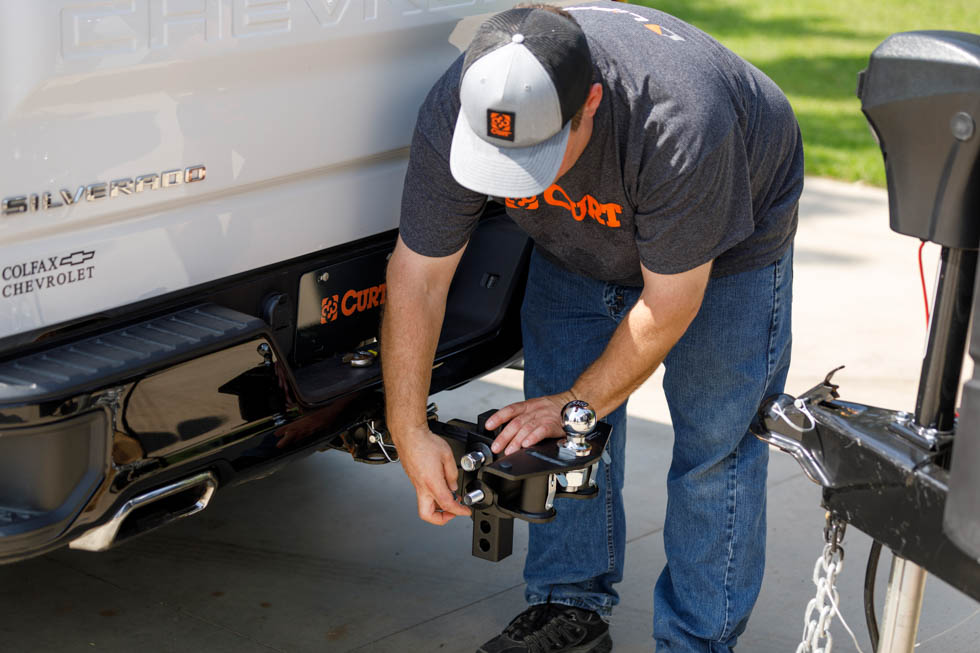
Asking the Right Questions Makes All the Difference
Before recommending any towing equipment, we must take time to understand how the customer plans to use their RV. The right questions guide everything:
- What vehicle are you towing with, including year, make, model, engine and factory tow package?
- What RV are you towing, including GVWR, tongue weight and overall length?
- How often will you tow, whether it is a few weekends a year or full-time travel?
- Where will you be towing, such as flat highways, mountain passes, windy plains or gravel roads?
- How will the RV be loaded, including cargo, water tanks, bikes, generators and gear?
- Who will be driving, whether they are a first-time tower or experienced?
These details help us determine whether a customer needs weight distribution, sway control, higher capacity components or an upgrade from what they originally expected. Without this information, any recommendation is just a guess.
What Dealers Need To Know To Serve Customers Well
Successful hitch recommendations come down to confidence in a few core areas.
Weight ratings matter across the entire system, including the vehicle, receiver, hitch, ball and trailer. Compatibility is critical, because not every hitch works with every frame, coupler or vehicle configuration. Setup is just as important as the product itself. Even the best hitch will not perform correctly if it is improperly installed or adjusted.
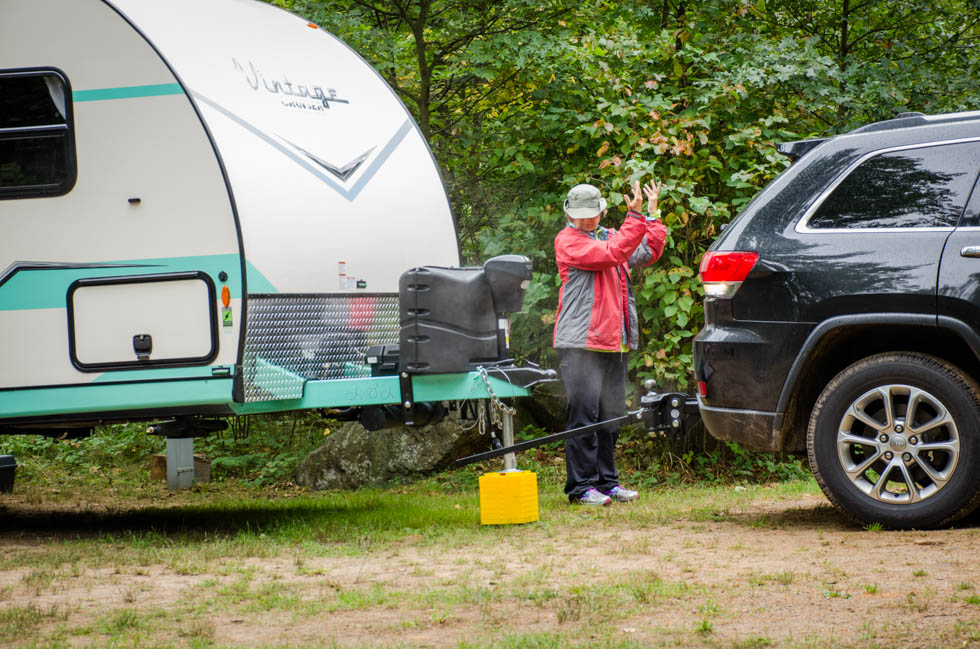
We also encourage customers to think about future needs. Many start with smaller trailers and later move up, so understanding upgrade paths helps protect their investment.
When dealers know exactly why a specific hitch is recommended, they can clearly explain both value and safety, not just price.
Common Misunderstandings We See Every Day
There are a few misconceptions that come up repeatedly at the counter.
Customers often focus on maximum tow ratings without accounting for passengers, cargo or tongue weight in real world conditions. Tongue weight itself is frequently underestimated, even though it adds up quickly once tanks are filled and gear is loaded.
We also hear a lot of “my buddy tows without one,” especially when it comes to weight distribution and sway control. Add in conflicting advice from online forums and YouTube, and customers can arrive with more confusion than clarity.
Perhaps the biggest misunderstanding is assuming all hitches are the same. Differences in quality, engineering and safety are not always obvious at first glance, but they make a major impact on towing performance.
Much of our job is resetting expectations in a way that educates without overwhelming.
What Happens When the Wrong Hitch Is Used
We should be very direct about the risks of improper towing setups.
- Poor handling and trailer sway
- Longer stopping distances
- Accelerated wear on tires, suspension and drivetrain
- Potential damage to the RV frame or tow vehicle
- In severe cases, loss of control or accidents
Even when nothing catastrophic happens, towing with the wrong equipment often feels stressful and unstable. That kind of experience discourages customers from traveling and enjoying their RV, which defeats the entire purpose of ownership.
Day-to-Day Challenges for Dealers
Towing education comes with its own set of challenges.
 Customers want quick answers, but towing is never one-size-fits-all. Dealers must balance education with sales, making sure recommendations are based on safety and suitability, not just closing a transaction. Vehicle technology continues to evolve, from new truck platforms to EVs and advanced driver assistance systems, and staying current takes effort.
Correcting misinformation requires tact, especially when customers arrive confident in what they think they know.
That is why clear, practical, scenario-based training makes such a difference. When dealers understand real-world towing situations, they feel more confident guiding customers to the right solution, and customers leave better prepared for the road ahead.