What RV Dealers Can Learn From the Heavy-Duty Truck Parts Industry
By improving inventory management and turnaround times, RV dealers can enhance efficiency and build stronger customer loyalty.

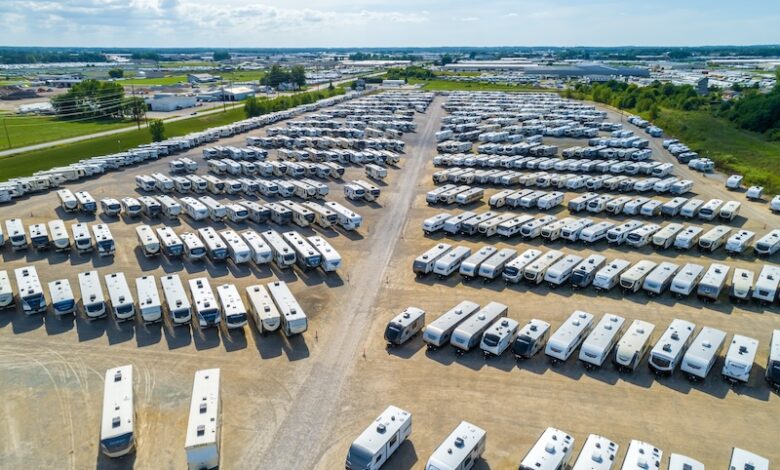
RV dealers across the country are facing logistical challenges, namely changing tastes, a shift in product interest and strength in the used RV market. Also, a look at the heavy-duty truck parts industry says it’s facing some friction — parts delays and technician shortages, for instance — creating strong demand for repairs and parts that shops can’t always meet.
If you’re an RV dealer with challenges similar to these, it’s worth exploring the broad stroke solutions for the heavy-duty truck parts industry and how you can apply them to your everyday operations. Here, we’ll look at the parallels between the industries and how to use the heavy-duty parts industry to streamline your operations, improve customer loyalty and sustain profitability in the market.
Rethink Dealership Operations
Right now, the heavy-duty truck part industry is seeing a push for utilization. Fleets all around the country are keeping their trucks for as long as possible. Shops have had to scramble to keep up with busy owners who expect repairs and parts faster than sometimes possible. Shops make sure they can quickly source essentials, for instance, with Freightliner parts for exhaust, steering and drivetrain components, so repairs don’t stall.
If you’re experiencing fluctuating demand, particularly as younger generations show an interest in RV ownership, it may be time to rethink how you approach everything from promotions to storage to revamping your on-site services. The parts industry has had to let go of a lot of traditional methods for effectively managing operations, and it’s leading plenty of other industries to follow suit, so they’re not left behind.
Upgrade Inventory Management

In the heavy-duty parts industry, missing parts or ordering mistakes cause invoice errors, unnecessary duplicate orders and wasted time. Unfortunately, even as these issues persist, many shop owners continue to use spreadsheets or even pen-and-paper logs. Today’s tools do more than just automatically update parts inventory. They can also track usage patterns across multiple locations, so providers can see how and where they need to tighten up the budget.
As an RV dealer, you’ll likely always face an uphill battle with how to store everything in a finite square footage. However, if you notice that you’re spending more hours verifying inventory accuracy than making calculated decisions about what to do next, you’re likely missing major opportunities. When you implement a more high-tech system, you can blend your staff’s boots-on-the-ground experience with the concrete numbers to back up anything from new orders to discarded stock.
Improve Turnaround Times
The heavy-duty truck parts industry sees time lost not only from inventory mismanagement but also from long order turnarounds. Usually, it’s either a billing or an approval issue, one that may not even get noticed by the right person until days have gone by. With a better digital system, industry professionals can track the status of jobs in real-time, generate invoices immediately and send approvals and reminders via email or text.
As an RV dealer, there are plenty of things that are outside your control. Whether it’s an invoice or sale, you can’t always navigate around the indecision or unexpected delays that are bound to pop up when you’re least prepared to handle them. However, having the right digital support system can help you be more proactive, especially during your busiest weeks, so you can speed up turnaround times and effectively cross items off your list while still keeping stakeholders in the loop.
Avoid Compliance Violations
The heavy-duty parts industry is constantly dealing with compliance laws, and it’s all too easy for operators to get stuck in the weeds. Inspections stack up, handling logs reviews might be delayed and documentation misses can occur more often than expected. This is why digital systems have become handy to track compliance requirements. Not only does it prompt you to fill out every required section and form, but it’s a great way to show clients what’s been done and when.
RV dealers may not face the same type of compliance requirements, but that doesn’t mean that you won’t miss a deadline once in a while. In addition, you can end up wasting more time with compliance restrictions than you realize, especially if they lead to a lot of sticky questions from officials or even customers. A better compliance system can help you keep everything organized as you grow.
Stay Flexible
RV dealers are seeing changes in who’s buying and what they’re looking for. Buoyed by remote work and the craving for adventure, shoppers may demand anything from an RV with a modular floorplan to on-site service operations. These kinds of varying demands are also being seen in the freight liner industry, albeit from a more professional angle.

Staying flexible has always been a key element of nearly any business, but the reality is that the shifts are taking place faster than professionals can scale with. If you want to be able to sell your inventory and meet the demands of your customers, you’ll want to lay the groundwork now before you’re swamped later on. For example, if used RVs are popular in your area, due to their competitive pricing, you might consider investing more in everything from safety inspections to after-market upgrades. This can help you tap into the existing market while still offering more value than your competitors.
With better infrastructure and talent, you can keep up with everyday goals while still planning for the future. In other words, you’ll spend less time putting out fires and more time focusing on your customer relations and exceeding your quotas. Keeping an eye on the truck parts industry can not only help you track their general operational changes, including their fluctuating prices, it can also give you a few ideas about how to stay on top even as new industry threats emerge.