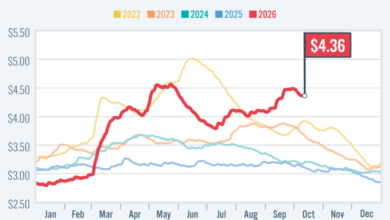
According to a report from The Associated Press, a key measure of inflation stayed high in February, before the war in Iran spiked gas prices, a sign that everyday costs were elevated even before the conflict began.
An inflation gauge monitored by the Federal Reserve rose 0.4% in February from January, up slightly from the previous month. Compared with a year ago, prices rose 2.8%, the same as January. Thursday’s data was delayed by a backlog of economic reports created by the six-week government shutdown last fall.
Excluding the volatile food and energy categories, core inflation also rose 0.4% in February from January, and it was 3% higher than a year earlier. The annual figure is slightly below January’s reading of 3.1%.
Still, the monthly increases are at a pace that if continued for a whole year, would easily top the Fed’s 2% inflation target.
“Consumer inflation was firming even prior to the outbreak of war in the Middle East, and it is primed to jump sharply higher in March,” Kathy Bostjancic, chief economist at Nationwide, wrote in a client note. “Even if a long-lasting deal to end the war is reached and the Strait of Hormuz is fully reopened, it would take months for oil, gasoline, diesel and other commodity supplies to snap back to prewar levels and thus for prices to settle back to preconflict levels.”
Thursday’s report is largely a warm-up for the more important inflation data to be released Friday, when the government will publish the higher-profile consumer price index for March. The Friday report will be the first to reflect the impact of the gas price spike from the Iran war. Economists forecast it will show a big increase of 0.9% just in March from February, and a 3.4% gain from a year earlier. The annual figure would be a big increase from 2.4% in February.
Click here to read the full report from The Associated Press.