Chassis & Engine Maintenance 101: What Dealers Need To Know
For RV dealers who don’t do chassis and engine work themselves, it’s important to know who does and how to advise your customers.


People who own travel trailers move them with a motorized tow vehicle like an SUV or pickup truck. When not towing, most people use them as daily drivers or at least a backup. When the vehicle needs maintenance or repair services, they take them to an automotive shop. It might be the dealer they bought the tow vehicle from, or a local auto shop or truck center.
Motorhomes are another story. They have a drivetrain like a tow vehicle and require maintenance and service to keep them in top condition and dependable. So who does the service on motorhomes?
Most RV dealers have plenty to do on house systems of the vehicle. Equipment to be able to work on the chassis of today’s motorhomes is quite expensive, and technicians are as scarce as RV technicians, especially trained and certified ones. Some large dealerships may have a chassis shop, but, like body repair and paint, most do not.
How does the customer/vehicle owner maintain and repair their chassis? Most would take the vehicle to a dealership that services their brand of truck chassis. Under warranty, most chassis manufacturers require the vehicle be brought to one of their dealers for service and to cover warranty repair costs.
So how should the RV dealer handle chassis service for motorhome customers? To start, the dealership service personnel should understand what services and maintenance are needed on the chassis of any motorhome. With all the class B motorhomes available, there are a few different chassis manufacturers who provide the underpinnings of these units. Many are just vans converted to RVs. Mercedes-Benz Sprinter, Ford and RAM are the common vans used for these. Class As are generally from Ford, Freightliner Custom Chassis and Spartan RV Chassis.
Each of these manufacturers has their own maintenance schedules. This information can be found in the chassis owner’s manual. A list of component maintenance with intervals is listed in the manual. Dealer personnel, including service advisers and even salespeople, should know what to tell the customer about having their vehicle maintained and serviced, by whom, and when.
In the case of larger and more complicated Class A chassis, especially diesel pusher units, most RV dealers have a preferred shop for the maintenance and warranty repairs that their customers will need. Again, the information is found in the owner’s manual. The only thing any customer may have to look for is the name and location of the chassis dealer or repair shop.
There are a few things to look for when choosing a shop:
- Do they have certified, trained technicians?
- Do they have the equipment to do all services needed?
- Can the vehicle be maneuvered in their lot easily?
- Do they have a full parts department?
You can also find one online by searching for the chassis manufacturer.
Many shops will do light mechanical work — oil changes, tires and wheels, even brakes. The issue is still whether a shop is authorized to do the chassis warranty work. The RV dealer should be able to recommend an authorized chassis shop or dealer that can be trusted.
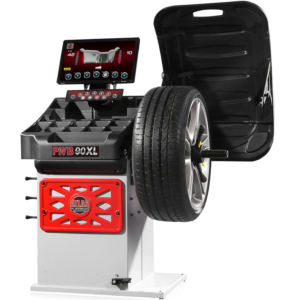
Maintenance should be performed by an authorized chassis repair facility but is not required if the shop has qualified techs (i.e., ASE Certified) and receipts are kept and service is recorded. Also, the engines and transmissions of the diesel chassis are not manufactured by the chassis manufacturer. Cummins and Cat are two engine suppliers, and Allison is a popular transmission manufacturer.
Dealer service people should know chassis manufacturer warranty policies and should be able to assist customers with where to have their chassis work done. The service department should refer to the dealer warranty administrator for information on warranty chassis repair and the warranty claims process.
The main point here is that dealership personnel must be knowledgeable when dealing with chassis repair and warranty issues. It’s a good idea to have the service manager and warranty administrator present a company policy for chassis repair.