RV Appliance Trends: What Dealers Need To Know
Insight from four suppliers on appliance trends, maintenance tips and what dealers should know about RV appliances.

Even when going to remote, off-grid locales, RVers still want convenience and residential-style amenities, including their appliances. With space at a premium, appliance manufacturers have to balance efficiency, weight, aesthetics and more. RV PRO asked several industry experts to weigh in on what’s new in RV appliances.
What’s new & innovative in RV appliances?

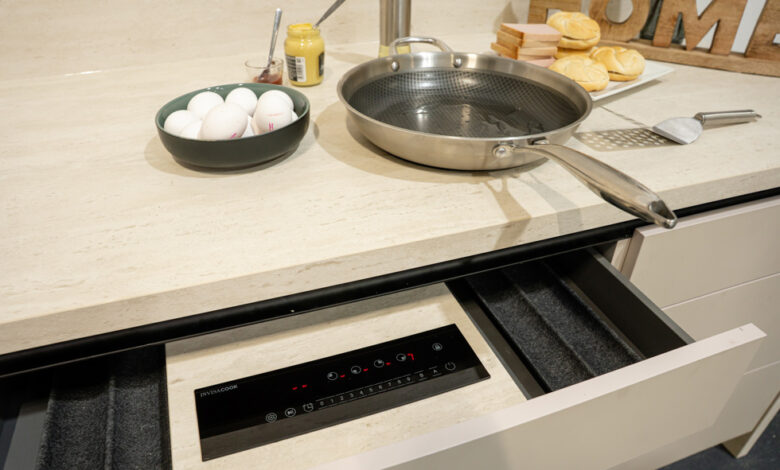
Shar Nahid, managing partner, Triple M Surfaces – Porcelain Surfaces: One of the biggest innovations in RV appliances is the move toward integration rather than addition. Technologies like InvisaCook invisible induction cooking, which installs beneath porcelain countertops, allow OEMs to eliminate bulky cooktops while improving safety, efficiency and usable space. We’re also seeing strong momentum around lighter materials, lower power consumption and appliance systems that are designed to work seamlessly with modern electrical and battery setups, rather than relying on traditional propane-based solutions.

Emily Jordan, product manager, RecPro: We’re seeing a big push toward appliances that are more efficient, quieter and smarter. Energy efficiency is a huge focus, especially with better power management for solar and lithium battery setups. Appliances are also becoming more compact and multifunctional, which is important in RVs where space is always limited. On top of that, customers are expecting residential-style features such as sleeker designs, better temperature control and more consistent performance.

Rob Leach, president, Coleman-Mach, an Airxcel brand: We’re seeing innovation move … toward smarter, more thoughtful comfort solutions. A lot of it comes down to how RVers spend time in their RV. Features like the Coleman-Mach Wi-Fi thermostat give owners a much easier way to manage their interior environment without feeling complicated or tech-heavy.
We’re also seeing innovation show up in very practical engineering design. Hot and cold spots inside an RV are a common frustration, so instead of just adding more power, we’ve focused on improving airflow. A good example is the 360-degree airflow ceiling assembly on the Coleman-Mach variable-speed AC — it’s designed to distribute air more evenly and solve real comfort issues RVers deal with every day. The trend really points to more controlled, complete comfort rather than brute-force cooling in a single location.

Will Troyer, director of product management, GE Appliances, Recreational Living: Our tankless water heater has received strong industry response, with features such as a built-in mixing tank, altitude adjustment, consistent temperature delivery and a heavy-duty door design helping set it apart. We’ve also recently introduced the GE Profile compact dishwasher, offering the convenience of dishwashing in small spaces along with connectivity through the SmartHQ app. In refrigeration, our top freezer glass door refrigerators remain a popular choice. Available in 8- or 10-cubic-foot capacities and stainless or black glass finishes, they combine style, flexibility and functionality tailored for RV living.
What have customers been asking for most regarding RV appliances?
Nahid: Customers are asking for residential-level performance with a clean, modern aesthetic. They want appliances that blend into the design instead of dominating it. In particular, there’s growing interest in porcelain surfaces paired with integrated technologies like InvisaCook, which provide a flat, easy-to-clean surface while delivering high-performance induction cooking. Safety, durability and ease of use continue to be top priorities, especially for families and full-time RVers.
Jordan: Customers want appliances that work well with limited power, especially when running on solar or generators. There’s also a strong demand for quieter appliances and ones that are easier to service or replace. For full-timers especially, longevity and consistent performance matter more than bells and whistles.
Leach: Customers want appliances — especially air conditioners — that feel modern, easy to use and intentionally designed. Updated controls like Bluetooth or Wi-Fi thermostats come up often because they simplify everyday operation. At the same time, RVers care about how things look. They want clean, contemporary ceiling assemblies and exterior shrouds that don’t feel dated.
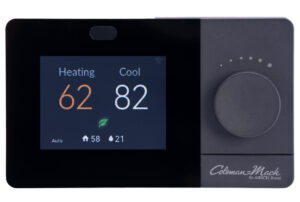
Performance is still critical, though. Many RVers tell us they’re frustrated by uneven cooling caused by traditional single-dump systems. That feedback directly led to our 360-degree airflow ceiling assembly for the variable-speed AC, which helps deliver more consistent comfort throughout the coach.
At the end of the day, RVers are looking for a complete solution — something that looks right, is easy to control and keeps the RV comfortable no matter how they’re traveling.
More and more, they’re also asking for systems that work together, not as standalone appliances, but as a coordinated package that improves comfort and efficiency.
Troyer: Customers are consistently asking for a strong, trusted brand and proven quality. They want RV appliances they can depend on for reliable performance. Our RV appliances are engineered and designed by the same teams who create GE Appliances for the home, bringing the dependability and trusted name customers already know into the RV space.
What impact has the increased popularity of off-grid camping & full-time RVing had on RV appliances?
Nahid: Off-grid and full-time RVing has significantly increased demand for energy-efficient, all-electric appliance solutions. Induction cooking — especially when paired with porcelain countertops — offers fast heat response, lower ambient heat and excellent efficiency when running on inverter and battery systems. Technologies like InvisaCook also remove open flames and exposed heating elements, which aligns well with the needs of customers who rely heavily on solar, lithium batteries and extended off-grid setups.
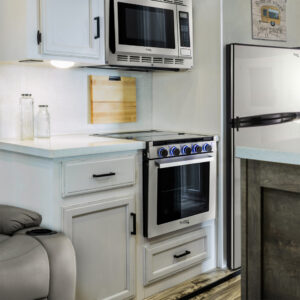
Jordan: It’s had a major impact. Off-grid and full-time RVers need appliances that can handle daily use while operating on limited power. That’s driven demand for 12-volt appliances, inverter friendly designs and appliances that can run efficiently without shore power. It’s also made power awareness more important. People want to know exactly what an appliance draws and how it will fit into their overall electrical system.
Leach: The growth of off-grid camping and extended RV travel has really highlighted how differently people use their RV and how important it is to design with those priorities in mind. Some RVers care most about quiet operation and steady comfort, while others are focused on managing power, durability and performance in more demanding environments.
At Coleman-Mach, our approach is to offer a lineup that has products directly addressing those top priorities without compromising overall quality. Each series is designed to prioritize specific use cases, but every product is engineered to deliver reliable performance, efficient operation and long-term durability. Our variable-speed air conditioner is a good example of that philosophy. By adjusting output instead of cycling at full power, it supports better energy management and more consistent comfort, making it a strong option across a wide range of travel styles.
Troyer: The growth of off-grid camping and full-time RVing has increased demand for appliances that support energy independence and efficiency. For off-grid living, we’ve introduced 12-volt refrigeration and fuel-burning appliances such as gas cooking and water heaters. For air conditioning, we’ve emphasized highly efficient products that deliver comfort while consuming less power.
What trends have you seen regarding outdoor kitchens? Any new outdoor kitchen products from your company?
Nahid: Outdoor kitchens are evolving from basic grill stations into fully customized outdoor living spaces. Customers want outdoor kitchens that feel just as intentional and premium as the interior, using materials and appliances that can withstand heat, UV exposure and changing weather conditions. At Triple M Surfaces, we support customized outdoor kitchen solutions through Pro Fit Outdoor Living, combining porcelain work surfaces with appliance-ready layouts. We’re also using InvisaCook induction cooking systems in both interior and outdoor applications, which allows for a clean, flat cooking surface beneath porcelain. That integration improves safety, durability and space efficiency while delivering high-performance induction cooking in outdoor environments as well.
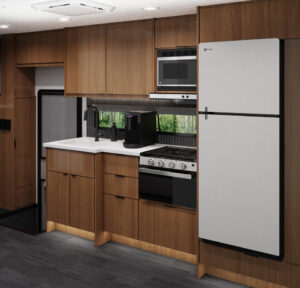
Jordan: We’re definitely seeing the popularity of outdoor griddles continue to rise. RVers like being able to cook outside without heating up the inside of the unit, and griddles are easy, versatile and great for everything from breakfast to dinner. We’ve also noticed that customers really appreciate outdoor kitchen products that are built specifically for RV use. Easy maintenance, durability and weather resistance. There’s a big difference between something designed for life on the road and a repurposed residential product, and customers are becoming more aware of that.
Troyer: Our GE Profile Indoor Smoker is an excellent option for outdoor kitchens, offering a different way to cook while traveling. In addition, our compact refrigerators provide convenient cold storage. The GE Profile Opal Ice Maker delivers premium ice in a small footprint, great for any small kitchen.
What kind of maintenance is required for appliances inside & outside the unit? What should dealers make their customers aware of?
Nahid: Modern appliance systems … are designed to be low maintenance. Dealers should educate customers on proper cookware use for induction systems like InvisaCook and InvisaWare, along with basic cleaning practices for porcelain, which typically require nothing more than mild soap and water. For outdoor kitchens, customers should understand seasonal care and basic protection from prolonged moisture exposure, even when using weather-resistant materials.

Jordan: A lot of it comes down to basic upkeep and paying attention. Inside the RV, things like keeping vents clear, checking connections and making sure appliances are secure before traveling can prevent a lot of issues. RVs move, bounce and shake way more than a house ever does, so that stuff matters. Outdoor appliances just need a little extra care. Keeping them clean, protecting them from moisture when they’re not in use and checking seals or fittings regularly makes a big difference. Dealers should really help set expectations that RV appliances live in a much tougher environment than residential ones. A little routine maintenance goes a long way and can save customers a lot of headaches down the road.
Leach: For air conditioners, simple, consistent maintenance makes a big difference. We design our ACs and ceiling assemblies with easy access to filters and coils so routine care isn’t a hassle. Owners should plan to clean or replace interior filters about every 90 days of use to maintain airflow and efficiency. It’s also important to inspect rooftop units annually for debris, damage and seal integrity. Dealers play an important role here. We provide clear product information and online training so sales and service teams can explain basic care at delivery. That up-front education helps reduce service issues and keeps owners confident in how to care for their system.
Troyer: Both our indoor and outdoor appliances are designed to be low maintenance, requiring only periodic care to ensure optimal performance. Air conditioning systems benefit the most from regular maintenance, particularly keeping filters clean and coils free of dust and debris to maintain efficiency and airflow. Dealers should help customers understand that simple preventative maintenance can extend product life and reduce service needs.
Is there anything else our readers should know about appliances?
Nahid: Appliances are increasingly becoming part of the overall design language and life-style experience of an RV. Integrated solutions such as InvisaCook beneath porcelain countertops allow manufacturers to reduce weight, improve safety and deliver a more open, residential feel. As buyers spend more time in their RVs — whether off-grid or full-time — appliance choices will continue to play a major role in comfort, efficiency and long-term satisfaction.
Leach: It helps to think about air conditioning as a system, not just a unit on the roof. Capacity, controls and airflow distribution all work together to shape the experience inside the RV. That’s why we continue to invest in a broad portfolio and innovate with features like variable-speed technology and 360-degree airflow. When the right system is matched to the floorplan and the way the RV is used, it leads to better comfort, easier operation and a more enjoyable ownership experience overall.
Troyer: Market research shows that nearly half of households have a GE Appliances product in their home. That level of presence reflects what buyers value most — familiarity, reliability and proven quality.