Selling RVs in a Down Economy
Making a few adjustments to your selling style can help fiscally anxious customers feel more comfortable.

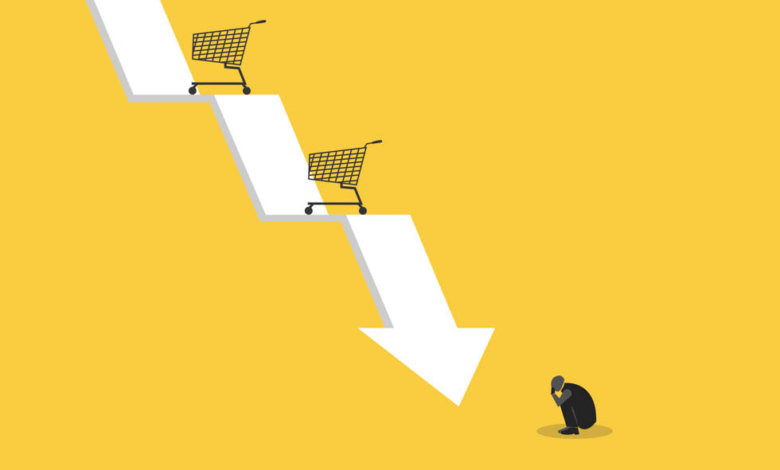
During the initial surge of COVID-19, RV dealerships experienced record sales, profits and commissions as a high number of customers sought the safety and solitude of forests and RV parks to escape the pandemic. However, since then, RV sales have experienced only a few brief spurts of energy in an economy still trying to find its footing. The last two or three years have not created a consistent, reliable source of income for many RV salespeople, which has strained household budgets for many. As a result, some have left the RV business.
So, how can the average RV salesperson adapt and adjust to this? None of us can control the economy we live in, but here are some steps (within your control) you can take to survive it all until RV sales bounce back, as historically they always have:
Focus on What You Can Control
A downturn can create a direct reflection on personal finances, and it’s easy to get caught up in placing blame … but don’t get caught in that emotional trap. Even though it can wear on you emotionally and affect your approach to selling, it is what it is. It’s best to focus on positive thinking in areas that you can control: what you do and how you do it.
Personal income is an emotional thing, and in commission sales, it’s based on individual performance and results. There’s a saying in the business: “You eat what you kill.”
Therefore, it’s now a good time to take a hard look at everything you do and how you do it and review every step you’re taking in the sales process to ensure that no steps are being missed. When things are busy, it’s easy to miss steps, and during slow periods, it’s a good time to look in the mirror and be sure all bases are covered, no matter how small. Little things really do matter. Here are some things to look at right now.
Prioritize Trust-Building
I continue to write books and coach salespeople on how to build comfort, rapport and trust with customers, as it’s the cornerstone of relationships, both business and personal. As customers face challenging economic times, building trust becomes even more important.
Simply stated, there might be no greater priority in selling. So many sales are lost in those first few minutes when anxious customers are not connecting to the person they’re working with, who starts doing that “sales thing” as soon as they walk into a dealership. Their emotional defenses are on guard for it, and if a salesperson gets too aggressive too soon, the sale is done right then and there — and most salespeople don’t realize it.
So, in the early stages, slow things down and be a person before being a salesperson, and get the customer to relax, make a friend and earn some trust. If you don’t, you will have no chance of the customer being honest enough to tell you everything you must know to put them on the right product, at the right price, that solves the problem or need they walked in with. Most salespeople are so focused on their selling system steps that they overlook this important piece.
Sell the Way Your Customer Prefers
Another tactic that will fail with a nervous customer in this economy is a salesperson who tries to sell with an approach they prefer, rather than the way their customer prefers.
Customers also have a style they’re most comfortable with, especially when they’re feeling anxious. Do you think the analytical, fact-based customer wants a loud, laughing, over-the-top salesperson? No. They want facts, supported by documentation and handouts that verify their accuracy. The opposite is true with the customer who prefers to focus more on the shopping than the buying and doesn’t want to be overburdened with an overly technical, ultra-detailed product presentation. All they want to know is how an RV makes them feel when they’re traveling or camping in it.
The initial slow period is a good time to fine-tune listening and perception skills to more quickly understand the type of customer standing in front of you before you ever say one word. Develop the approach you plan to use by asking questions, listening and, most of all, paying attention to the nonverbal cues your customer is exhibiting and then deciding what sales approach would best fit them.
Remember that this customer has nothing to do with the way you tried to sell to the last customer.
Master Product Knowledge
Although this sounds obvious, it doesn’t only include mastering your product. The anxious customer will be more comfortable if they feel you have also mastered your competitor’s product. Being able to articulate specifically why yours is better is very important to them, and this includes being honest about times your competitor has a feature that your product doesn’t have and then how you can overcome it.
As they shop around, customers might deal with many salespeople when trying to find the RV of their dreams, but the one who can master both their product and their competitors’ will earn the sale. This salesperson will be perceived as a master problem-solver for anything that might arise with the product after they purchase. Customers in this economy need someone who has earned credibility as their “go-to” salesperson to feel comfortable buying something when money is tight.
Focus More on Value Than Price
The customer in this economy tends to hold onto their money because they fear things could get even worse in the future, so spending any amount of money feels risky to them. The product being demonstrated must exceed every expectation with no exception. This will put pressure on salespeople to be sharper than in previous years.
Achieving the trust mentioned earlier increases the chance that the salesperson will get all the information they need to construct a product presentation that meets budgetary objectives, solves every need or problem, and then some. Meeting minimum expectations won’t be enough for the nervous customer to part ways with their money in this economy, so it must be a slam dunk that goes beyond expectations.
To do this, salespeople must know the product features that are a “must-have” versus those that are a “nice-to-have,” and present them in the order of that priority, with emphasis on exactly how the customer will benefit from them. The salesperson who involves their customer in their presentation, where together they figure out how to benefit from a particular product feature in an interactive manner, will have a more meaningful product presentation because it raises value and helps to justify the purchase.
Far too many salespeople, in an effort to prove their superior product expertise to a customer, tend to make long presentations and speeches that anxious customers will get bored with after a while. Taking a participative approach will help relax customers and “feel” the benefit from that product.
Master the Art of Referrals
Studies show that 70% (or more) of salespeople never ask for a referral. The customer who decides to purchase something in a down economy tends to be more committed than during the feeding frenzy of the COVID-19 years, so salespeople must pursue every opportunity to ask for referrals from every customer, in some cases, multiple times.
Remember, a happy customer wants to tell the world about their new RV purchase because they are excited and are proud to do so, so why not make them a partner in future sales opportunities?
Although customers are interested in purchasing an RV today, many decide not to because they want to hang on to their money in this economy. If this customer is handled respectfully, this group can also be a candidate for a referral offer. If they enjoyed the process but chose not to purchase something because money is tight right now, they may still tell others about their positive experience at your dealership. So by all means, ask for referrals from them as well. Don’t be a part of the 70% who pass on an opportunity that’s right in front of them.
Sometimes, a lean selling period can be the critical time that propels salespeople toward future success, because they’ve used this opportunity to self-reflect and sharpen their selling skills going forward. Fixing the little things that were previously overlooked or taken for granted can be cleaned up during this time, and are often the key to paving the way for the success people hope for when they decide to join a sales organization in the first place.
Working on these few adjustments can help anxious customers feel more comfortable spending money, even when economic conditions might lead them to feel otherwise.