What RV Dealers Can Learn From Marine Trailer Design About Lightweight, Corrosion-Resistant Towing
Built to survive water, salt and long hauls, boat-hauling equipment shows dealers how to maximize efficiency, durability and towing safety.

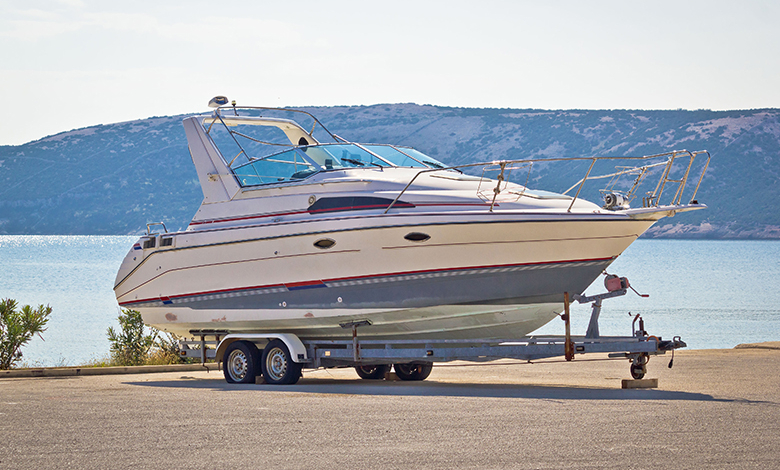
When it comes to building a trailer that can last, marine trailer designers have got it locked in. Marine trailers have to handle all that the road throws at them, on top of coping with the difficult conditions of water. Everything about a boat trailer is designed for efficiency and long-term performance, from the choice of materials and components to the addition of advanced coatings. Let’s look at RV towing from a marine perspective and explore better choices in products for your customers.
Advantages of Improving Towing Design
If the main difference between an RV trailer and a marine trailer is that one goes in water and one doesn’t, you might wonder why it matters to consider water. The answer is that RVs also go through water, and probably more than you think. When your customers take an RV with a jet ski or a set of kayaks to the water, everything gets hit with the humidity, salt spray and more. If your trailers are strong enough to handle being submerged without breaking down, they can get these additional benefits on the road, too.
- Increased Efficiency — For boat trailer manufacturers, efficiency is a key point. They know that pulling the trailer burns through a good amount of fuel to get to the destination, which is why they have to consider weight. When a Class A motorhome has a dry weight of 13,000 to 30,000 pounds or more, adding several thousand pounds in a trailer can significantly decrease efficiency.
Lightweight materials are the common solution, specifically aluminum. Aluminum trailers are not quite as strong as steel, but they weigh far less. In the end, as long as the load doesn’t exceed the weight capacity, aluminum is usually the more efficient choice.
- Improved Durability — Decreasing weight can lower durability, but if you look at the way that marine trailer designers handle it, it doesn’t have to. Use of aluminum is a win for durability because even though it weighs roughly a third of steel, it is about two-thirds as strong. Pound for pound, you’re getting more durability from aluminum than steel. Add in the fact that aluminum doesn’t rust, and your customers can have fewer troubles dealing with scratches and corrosion over time.
- Broader Accessibility — Efficiency is more than just a fuel-saving choice — it can also pave the way for RV drivers to go more places. When you consider the typical weight for an RV, owners may face limits on the roads and bridges they can take. According to the U.S. Department of Transportation, there are 60,000 weight-restricted bridges, and some of these allow only two tons per axle or a 10-ton maximum weight. Add up the weight that an RV is carrying with a trailer, and many of those bridges might be out of the question. By comparison, by focusing on efficiency in the construction of the RV and its trailer, owners might have more options for their next trek.
- Better Performance — Efficiency and durability aren’t much without performance, which is something that marine trailer designers also have in hand. Buying an RV is often a long-term purchase, and the trailer should be able to hold up equally well over time. Because boat trailers are exposed to many harsher elements than other types of trailers, those design elements come in handy in varied environments. Planning to take an all-terrain vehicle to a remote area on the coast? Borrowing corrosion-resistant components from marine trailer design helps to ensure that those components hold up longer.
Marine Trailer Design Features To Incorporate Into RV Towing Solutions
Besides aluminum, there are plenty of features that marine trailer designers put into boat trailers that could benefit your RV towing solutions. Instead of focusing on standard steel, thinking outside the box can provide opportunities to further increase efficiency, durability and performance.
- Lightweight Materials — Aluminum is the default alternative to steel, because it is widely accessible, lighter in weight and rust resistant. For those looking to decrease weight even further without compromising performance, composites is another option available. Composites like carbon fiber combine metal or synthetic fibers with plastics or resins that provide a sturdy, strong surface on which to put a boat. These materials can decrease vibrating, providing a smoother ride that decreases wear and tear on the equipment.
- Advanced Coatings — Even the most durable materials can wear down over prolonged exposure to water or salt spray, which highlights the usefulness of advanced coatings. RV owners who already have a steel trailer do not have to buy an aluminum one instead. Adding a coating made of polyurea, zinc or aluminum oxide can provide similar performance to aluminum without having to ditch the old trailer. A professionally applied coating of these or other durable materials can resist chipping or abrasions, along with the corrosion that plagues owners of steel trailers.
- Corrosion-Resistant Components — Trailers tend to break down in similar places, like the winch or trailer hitch, so those areas need the most corrosion resistance. Aluminum makes an ideal choice for many trailer components, but stainless steel can be a practical option for greater durability. Applying a coating to a steel trailer may not be sufficient when everything is exposed to the elements. Using a corrosion-resistant lubrication for moving parts, for example, can protect them from excessive wear.
When you sell a trailer for an RV, you think about your customer’s efficiency, durability and performance. Looking at these factors through the eyes of a marine trailer designer can help you to maximize these features without compromising on the RVs ability to tow effectively and safely.