According to a report from Reuters, U.S. consumer confidence eased in May as worries about inflation linked to the war in Iran intensified and households’ views of the labor market were largely pessimistic, though they anticipated an improvement by the end of this year.
The marginal drop in confidence reported by the Conference Board on Tuesday contrasted starkly with the release last week of the University of Michigan’s Surveys of Consumers, which showed consumer sentiment plumbing record lows in May. Still, it was the latest sign of growing dissatisfaction with President Donald Trump’s handling of the economy.
Trump won the 2024 presidential election in large part because of his promise to lower inflation, but U.S. consumers have faced higher prices, first from his sweeping import tariffs and recently from the U.S.-backed war with Iran. A Reuters/Ipsos survey last week showed Trump’s presidential approval rating fell to nearly its lowest level since he returned to the White House in January 2025.
The darkening mood poses a challenge for Trump’s Republican party as it seeks to retain control of the U.S. Congress in the midterm elections in November.
“Americans are upset about high prices and trying to stretch every dollar, but they aren’t as gloomy as they were during the Great Recession, the COVID recession or just after ‘Liberation Day’ last year,” said Heather Long, chief economist at Navy Federal Credit Union.
The Conference Board said its consumer confidence index slipped to 93.1 this month from an upwardly revised 93.8 in April. Economists polled by Reuters had forecast the index would drop to 92.0 from the previously reported 92.8 in April. The labor market has a big influence on the index, while the University of Michigan survey is more sensitive to gasoline prices.
The decline in confidence occurred among consumers under the age of 35 as well as those 55 years and older. Consumers in the 35-54 age group were slightly more optimistic this month.
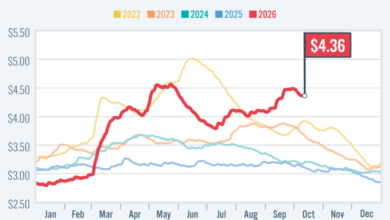
Households with annual incomes ranging from $15,000 to $39,999 experienced a sharp decline in confidence. Lower-income households have been disproportionately impacted by gasoline prices, which have risen more than 50% since the war in late February.
The conflict has disrupted shipping in the Strait of Hormuz, straining global supply chains and boosting prices of a range of commodities, including oil and fertilizers.
The Conference Board noted that consumers’ write-in responses on factors affecting the economy continued to skew toward pessimism.
“References to prices and oil and gas increased in frequency for a second consecutive month, while mentions of war, geopolitics and conflict remained elevated — likely signaling consumers’ underlying concerns about the inflationary impacts of the war in the Middle East on their wallets,” said Dana Peterson, chief economist at the Conference Board.
Click here for the full report from Reuters.